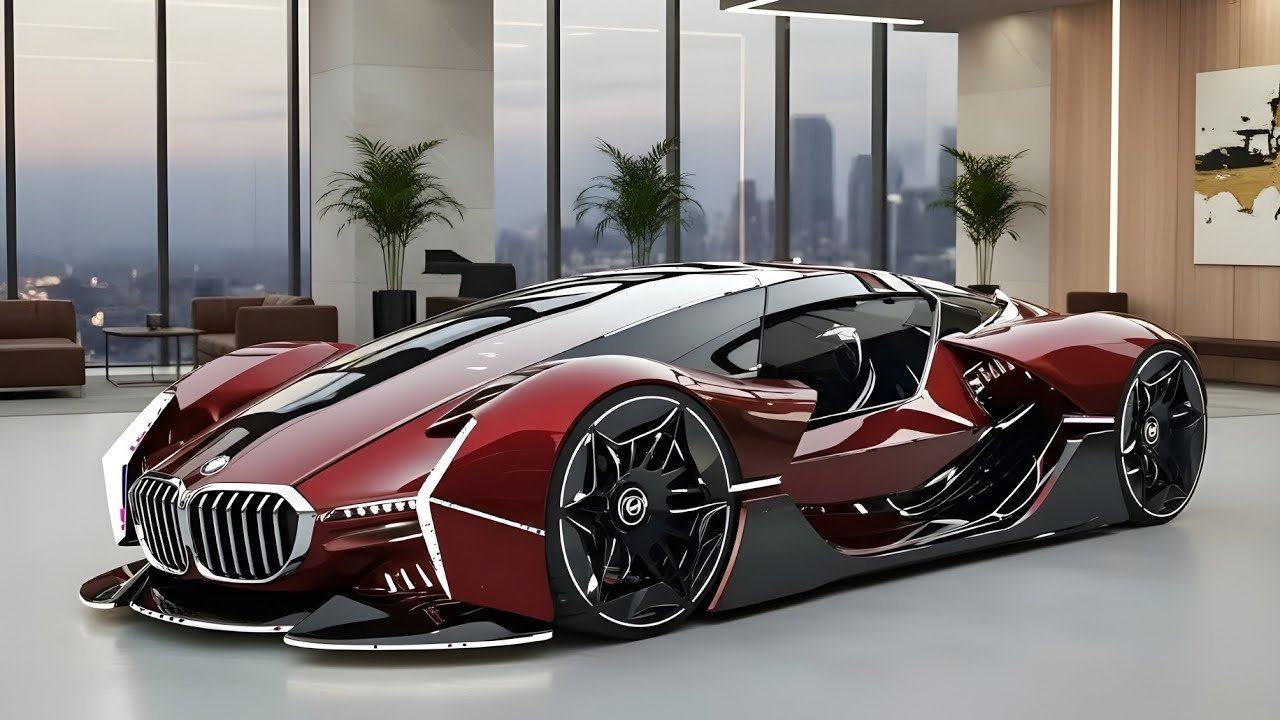
The BMW Vision Next 100 Concept (2026) is one of the most fascinating concept cars ever created by BMW. Unveiled as part of the brand’s 100th anniversary celebration, this futuristic machine was designed to show how BMW imagined the next era of mobility. It was not just a car with radical styling and advanced technology, but a bold statement about how driving, intelligence, luxury, and human connection could evolve together in the future.
Even today, the Vision Next 100 looks incredibly fresh and imaginative. Its shape, materials, and ideas still feel far ahead of their time, making it one of the most memorable concept vehicles in modern automotive history.
A Futuristic Design with True BMW Identity
At first glance, the BMW Vision Next 100 immediately looks like something from tomorrow. Its low body, long flowing lines, dramatic stance, and sculpted surfaces create a design that feels futuristic without losing BMW’s recognizable character. The iconic kidney grille remains present, but it is reinterpreted in a sleek and modern form. The headlamps are slim and sharp, blending seamlessly into the bodywork and adding to the car’s highly advanced appearance.
The overall profile is dynamic and elegant. It has the proportions of a grand touring machine, but with a much more fluid and expressive design language. Every curve and body line appears shaped with purpose, giving the car a strong sense of motion even when standing still. BMW wanted the concept to feel emotional and intelligent rather than cold or robotic, and that idea is visible in every inch of the exterior.
One of the most unique elements of the Vision Next 100 is the way its surfaces seem alive. This is where the concept becomes truly extraordinary.
Alive Geometry: The Car That Appears to Move and Think
A standout innovation of the BMW Vision Next 100 Concept was its Alive Geometry design. This system featured hundreds of small triangular body elements that could move and shift across certain parts of the car. These changing surfaces were designed to communicate with the driver, respond to driving conditions, and improve aerodynamic performance.
This made the concept feel more like a living machine than a traditional automobile. Instead of being a static object, the car appeared interactive and responsive. It was BMW’s vision of a future where the vehicle would not just transport people, but actively connect with them.

This idea added a strong emotional layer to the concept. It suggested that technology in future cars could become more intuitive, expressive, and human-centered rather than purely mechanical.
New 2026 Chevrolet Corvette Z06 (C8) Unleashed! Insane Power & Track Beast Revealed| Full Review!
Two Driving Worlds: Boost and Ease
BMW built the Vision Next 100 around two main driving modes called Boost and Ease. These modes reflected the brand’s belief that the future of driving should include both excitement and autonomy.
In Boost mode, the driver remains fully engaged. The car supports the driver with intelligent systems that enhance awareness, provide guidance, and improve control while still keeping the joy of driving alive. BMW made it clear that future technology should not take away the thrill of being behind the wheel, but should instead make the experience better and more personal.
In Ease mode, the car switches into autonomous driving, allowing passengers to relax while the vehicle handles the trip. In this mode, the interior becomes more open and lounge-like, offering a more comfortable and peaceful experience.

This balance between human control and self-driving capability was one of the concept’s most powerful ideas. BMW was imagining a future where technology adapts to the driver’s mood and needs rather than forcing a single type of mobility experience.
Exterior Styling That Still Feels Advanced
The exterior of the BMW Vision Next 100 Concept remains one of its biggest highlights. The body appears lightweight, aerodynamic, and beautifully sculpted. The wheels are large and placed close to the corners, giving the car a confident and athletic stance. The flowing roofline and dramatic fenders create a futuristic silhouette that feels premium and performance-focused at the same time.
The copper-like body color also gives the concept a special identity. Instead of using a flashy or overly bright shade, BMW chose a warm metallic tone that made the vehicle look elegant, sophisticated, and artistic. It gave the car a sense of luxury while still emphasizing its experimental nature.
The doors added even more theatre to the design. Their dramatic opening style created a strong sense of occasion, making entry into the cabin feel like stepping into the future. Everything about the exterior was designed to turn heads while also communicating intelligence and purpose.
Interior: Minimalist, Luxurious, and Driver-Centered
Inside, the BMW Vision Next 100 Concept offered a vision of luxury that was very different from conventional premium cars. The cabin was minimalist and uncluttered, but it still felt warm, elegant, and inviting. BMW imagined a future where information would only appear when needed, reducing distractions and creating a calmer environment for occupants.
The dashboard was clean and open, with fewer traditional buttons and controls. Instead, the car used intelligent digital displays and projection systems to present key information in a more natural way. This made the interior feel modern and spacious, while also supporting the driver in a more intuitive manner.

The materials used throughout the cabin reflected BMW’s future-focused thinking. Lightweight and sustainable materials were chosen to show that luxury in the future could be both premium and responsible. The seats were designed to look elegant and comfortable, while the overall layout made the cabin feel more like a personal mobility space than a traditional cockpit.
Head-Up Display and Intelligent Assistance
Another major feature of the Vision Next 100 was its advanced Head-Up Display concept. Instead of relying heavily on screens and physical clusters, the car projected important information directly into the driver’s line of sight. Navigation, alerts, and driving guidance could be displayed in a way that felt natural and less distracting.
This idea supported BMW’s goal of making the driving experience smarter and safer without overwhelming the driver. The concept suggested that future cars would use technology more selectively, presenting information only when it truly mattered.
The vehicle also featured a system called Companion, an intelligent assistant designed to learn from the driver’s habits, preferences, and behavior. Over time, this system would adapt the car to better suit its owner, creating a more personalized and connected experience.
This was a powerful concept because it presented artificial intelligence as a supportive partner rather than a cold automated system. It showed that BMW believed technology should feel personal and emotionally meaningful.
A Vision Beyond Just Style
What made the BMW Vision Next 100 special was that it was not simply a futuristic design exercise. It carried a deeper message about the future of mobility. BMW wanted to show that even as cars become smarter, more autonomous, and more digitally connected, they should still preserve emotion, beauty, and the joy of driving.
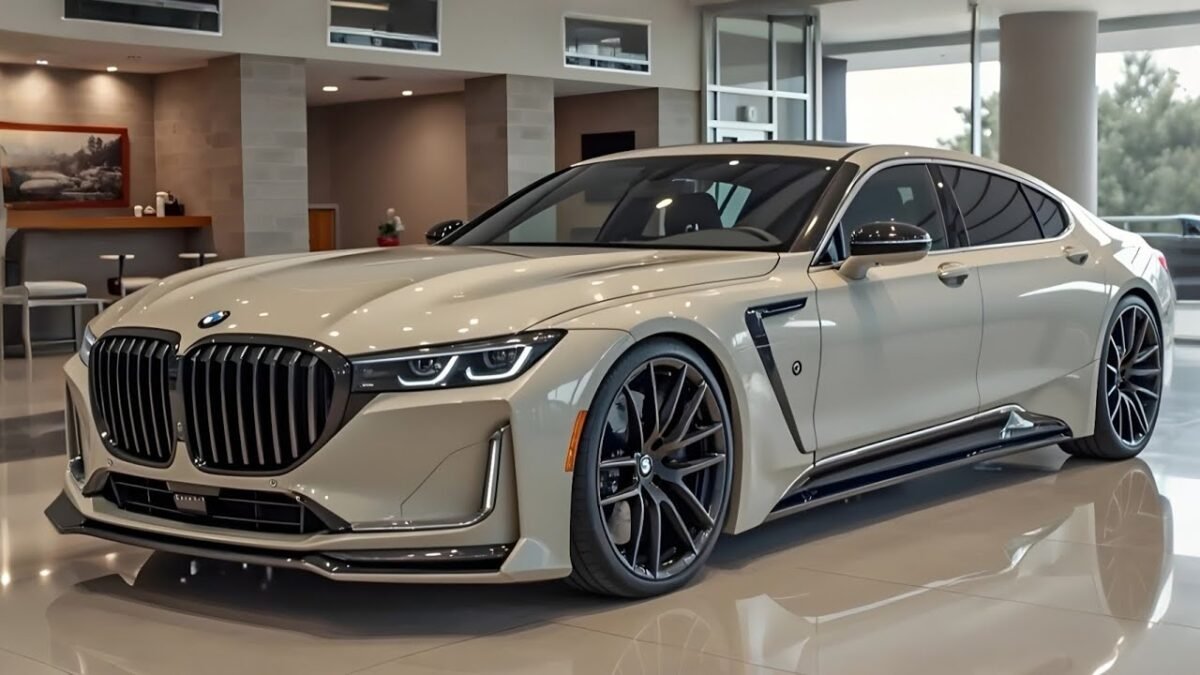
This was especially important because many people viewed the future of mobility as something that might become too automated or impersonal. BMW responded with a concept that said the opposite. The future should make driving more engaging, more intelligent, and more human—not less.
That philosophy is what helped the Vision Next 100 stand out from many other concept cars of its time. It was not only about innovation for the sake of technology. It was about innovation that deepens the relationship between people and their vehicles.
2026 Aston Martin in Lightning Silver: Exterior and Interior in Detail
Why It Still Matters Today
Although it was introduced in 2016, the BMW Vision Next 100 still feels relevant in today’s automotive world. Many of the themes it explored—autonomous driving, AI assistance, sustainable materials, driver personalization, digital displays, and emotional design—have become key topics across the industry.
Some ideas from the concept were highly experimental, but many of its core principles now seem more realistic than ever. That is one reason why the Vision Next 100 continues to impress enthusiasts, designers, and technology fans alike.
It remains a symbol of BMW’s creativity and long-term thinking, offering a glimpse of a future where innovation and driving passion can exist side by side.
Conclusion
The BMW Vision Next 100 Concept (2026) was a breathtaking look at what BMW believed the future of driving could become. With its flowing futuristic design, intelligent features, living body surfaces, dual driving modes, and minimalist luxury interior, it presented a vision that was both imaginative and deeply thoughtful.
More than just a concept car, it was a statement about the relationship between people, technology, and mobility. BMW showed that the future does not have to sacrifice excitement, emotion, or individuality. Instead, it can build on those qualities and take them to an entirely new level.
The Vision Next 100 remains one of BMW’s most stunning and forward-thinking creations—a true symbol of the future imagined through the lens of driving pleasure.
