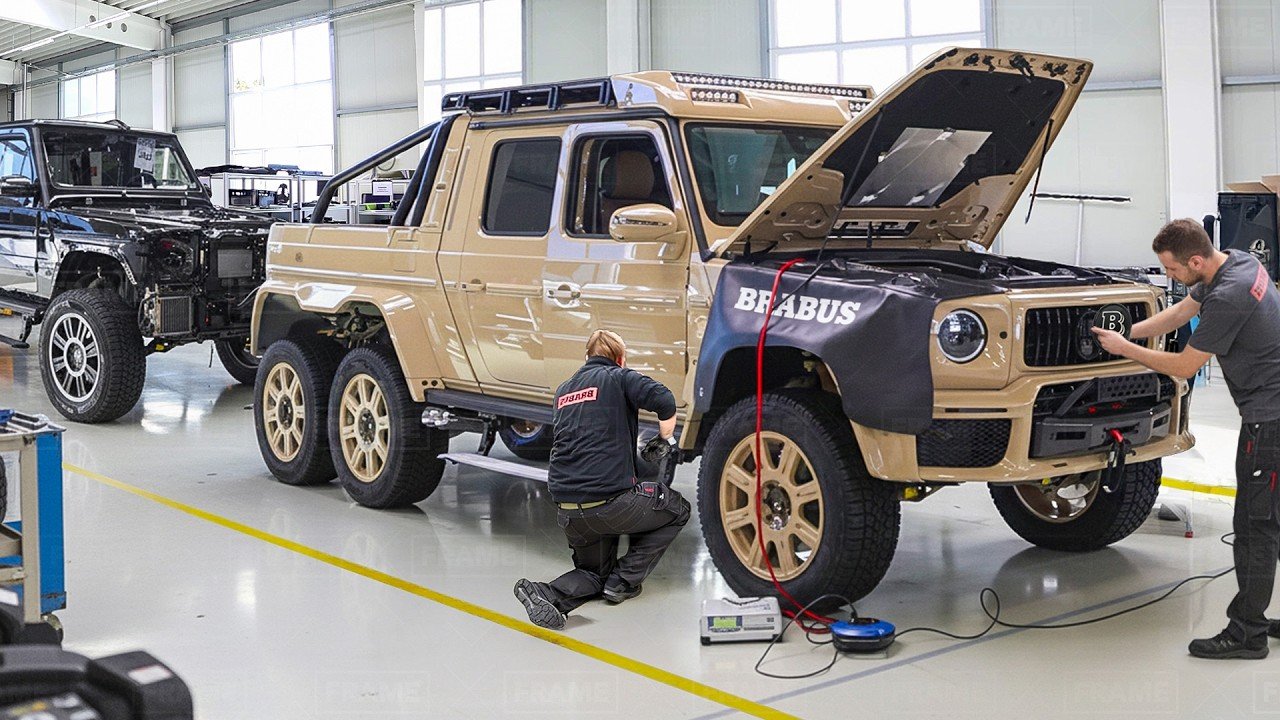
Inside a super modern German factory where $1.8 million Brabus G-Wagons are created, the world of luxury automotive engineering reaches an entirely different level. This is not a place built for ordinary production. It is a high-tech environment where performance, craftsmanship, exclusivity, and design come together to transform already-iconic Mercedes-Benz G-Class SUVs into some of the most extreme luxury vehicles on the planet.
Brabus has long been known for taking premium German vehicles and pushing them far beyond factory specifications. When the legendary G-Wagon enters this ultra-modern facility, it is reimagined with more power, more drama, more luxury, and far greater exclusivity. The result is a machine that feels less like a traditional SUV and more like a handcrafted symbol of wealth, speed, and status.
A Factory That Feels More Like a Luxury Engineering Lab
One of the most striking things about a modern Brabus-style German facility is the atmosphere itself. Instead of looking like a noisy mass-production plant, the space would feel highly organized, clean, and extremely advanced. Bright lighting, spotless floors, precision tools, and carefully arranged workstations help create an environment focused on detail and perfection.
Everything inside such a facility would be designed to support boutique-level vehicle transformation rather than standard assembly-line production. This matters because vehicles in the million-dollar range require much more than simple manufacturing. They demand careful planning, expert craftsmanship, and a controlled environment where every step can be monitored and refined.
The modern factory would reflect German engineering values at every level—efficiency, precision, order, and quality. That environment is a major reason why these G-Wagons can be turned into such rare and impressive machines.

Transforming the Legendary G-Wagon
The Mercedes-Benz G-Class is already one of the most recognizable luxury SUVs in the world, known for its boxy design, strong road presence, and off-road capability. But inside this German factory, the vehicle becomes something much more dramatic.
The transformation process would likely begin with the SUV’s structure and design package. Brabus-style upgrades usually take the G-Wagon’s already bold appearance and make it even more aggressive. Wider body kits, redesigned bumpers, custom hoods, exposed carbon-fiber parts, roof-mounted accessories, massive wheels, and sporty aerodynamic elements all help create a far more intimidating visual identity.
By the time the exterior work is completed, the G-Wagon no longer looks like a standard luxury SUV. It becomes a statement vehicle—something built to dominate attention whether it is parked in a luxury district, driven through a major city, or shown at a private automotive event.
All-New Rolls-Royce Phantom 2026/2027 – Full Specs, Features & Luxury Experience

Extreme Customization for Ultra-Wealthy Buyers
A major reason these G-Wagons become so expensive is the level of personalization involved. Buyers in this market are not looking for a standard configuration. They want a vehicle that reflects their own style, taste, and identity.
Inside the factory, specialists would likely work closely on everything from custom paint finishes to unique interior color combinations. Owners may request rare leather shades, special stitching patterns, embroidered logos, Alcantara roof liners, carbon-fiber trim packages, custom seat designs, personalized badging, and one-off luxury details.
This level of customization turns each vehicle into something highly individual. In many cases, no two Brabus G-Wagons would be exactly alike. That exclusivity adds massive value and makes the production process far more detailed than what happens in ordinary car manufacturing.

Handcrafted Luxury Inside the Cabin
The interior transformation is where the craftsmanship becomes especially impressive. A standard G-Class already offers a premium cabin, but a million-dollar Brabus version would take that luxury experience to a completely different level.
Inside the factory, skilled craftsmen would likely focus on reworking the cabin with the finest available materials. Premium quilted leather, contrast stitching, Alcantara panels, polished metal finishes, illuminated trim pieces, and custom upholstery details could all be used to create a more exclusive environment. Rear-seat comfort may also be heavily upgraded with executive seating, premium entertainment systems, custom lighting, and additional luxury features.
The goal is not only to make the cabin look expensive. It is to create an atmosphere that feels deeply personal, rich, and unique. When finished, the interior of a Brabus G-Wagon could feel more like a private luxury lounge than an off-road SUV.
Massive Power and Performance Engineering
Another major part of the factory’s work would involve performance upgrades. Brabus has built its reputation on taking already powerful Mercedes-Benz engines and turning them into something even more extreme. In the case of top-tier G-Wagon builds, the focus would likely be on delivering shocking acceleration and massive road presence to match the SUV’s aggressive styling.
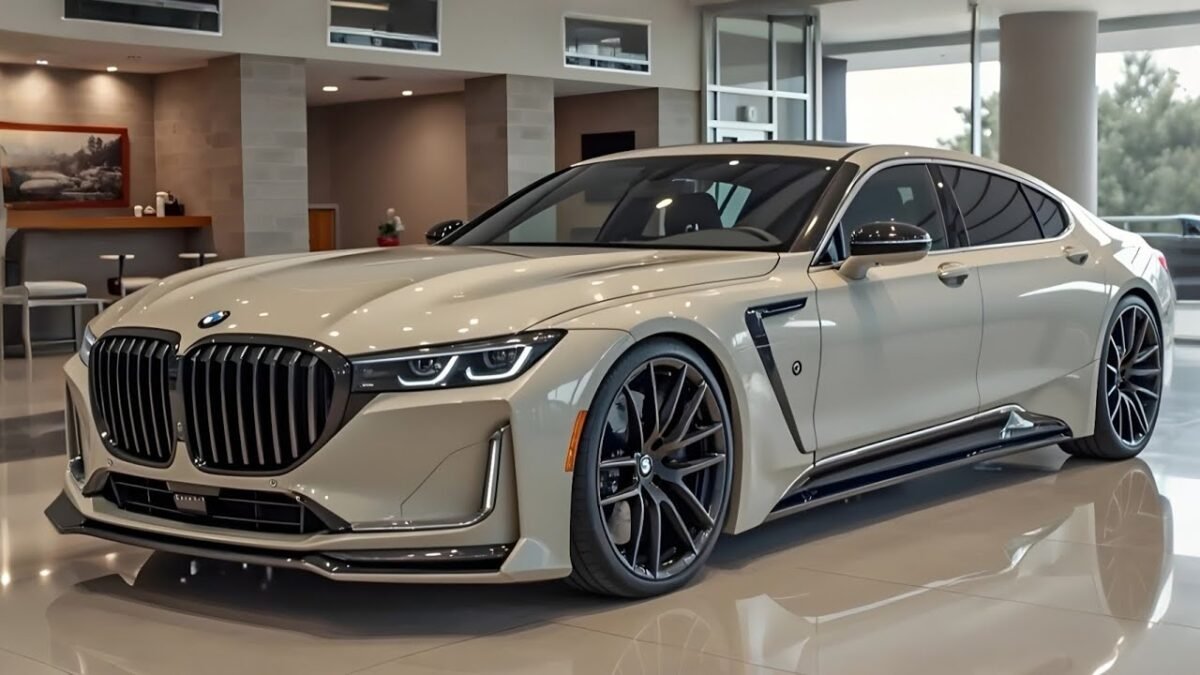
This could include engine tuning, upgraded turbo systems, recalibrated electronics, performance exhausts, improved cooling, and suspension modifications. The result would be an SUV that not only looks brutal but also delivers supercar-like energy in a much larger and heavier body.
That contrast is part of what makes Brabus G-Wagons so fascinating. They carry the shape and toughness of a utility vehicle, yet perform with a level of drama that feels closer to a high-end sports machine. Inside the factory, creating that balance between luxury SUV comfort and explosive performance would be one of the most important jobs.
Precision Meets Human Craftsmanship
One of the most interesting things about a super modern factory like this is the combination of advanced technology and skilled human labor. While machines and digital systems help maintain consistency and precision, much of the final work still depends on expert hands.
Craftsmen inspect panel fitment, upholster seats, apply trim, refine finishes, and carefully assemble personalized details. Engineers test performance systems and make sure every modification meets the brand’s standards. This blend of technology and human artistry is what gives these vehicles their unique identity.

In a world where many luxury products are mass-produced, that handcrafted approach helps explain why a Brabus G-Wagon can reach such an extraordinary price. Buyers are not just paying for power or design. They are paying for rarity, labor, and expert attention to every detail.
2026 Maybach S 680 V12 Haute Voiture – Sound, Interior and Exterior
Why These G-Wagons Cost So Much
The $1.8 million price tag may sound shocking at first, but it begins to make more sense when you look inside the process. These vehicles are not built as ordinary SUVs. They are heavily modified, deeply customized, hand-finished, and engineered to offer a mix of luxury, exclusivity, and performance that very few vehicles in the world can match.
The value comes from multiple layers—custom materials, complex engineering, limited production, exclusive detailing, brand prestige, and the time required to complete each build. For ultra-rich buyers, that combination makes the vehicle feel more like a collectible automotive statement than simple transportation.
Conclusion
Inside the super modern German factory building $1.8 million Brabus G-Wagons, the automotive world becomes a place of extreme detail, luxury, and ambition. This is where the iconic G-Class is transformed into something far more exclusive, powerful, and visually dramatic than its original form. With handcrafted interiors, aggressive exterior upgrades, advanced engineering, and nearly limitless customization, each vehicle becomes a rolling symbol of prestige and performance.
For luxury SUV fans, performance enthusiasts, and anyone fascinated by elite automotive craftsmanship, this factory represents the ultimate example of what happens when German precision meets unapologetic automotive excess. It is not just a place where vehicles are built. It is where legends are redefined.
